At a glance
Belgian Draft quick facts
- Origin
- Belgium; modern North American Belgian breeding developed its own type
- Height
- Usually 16–18 hands in the Belgian Draft Horse Corporation description
- Coat
- Chestnut, sorrel and blond colouring are prominent in the modern North American type
- Best known for
- Agricultural power, logging, pulling and show hitches
European roots and North American development
The Belgian Draft Horse Corporation identifies Belgium as the breed's country of origin and describes imports beginning in the late nineteenth century. Its modern breed account explains that American breeders developed a different animal from the original imported stock, retaining heavy muscling and body depth while selecting for a changed outline.
That distinction matters when comparing a North American Belgian with a European Brabant-type horse. Shared roots do not mean every modern registry, body type or breeding programme is identical. Ask what the seller means by the breed description and read the paperwork supporting it.
Height, colour and the working outline
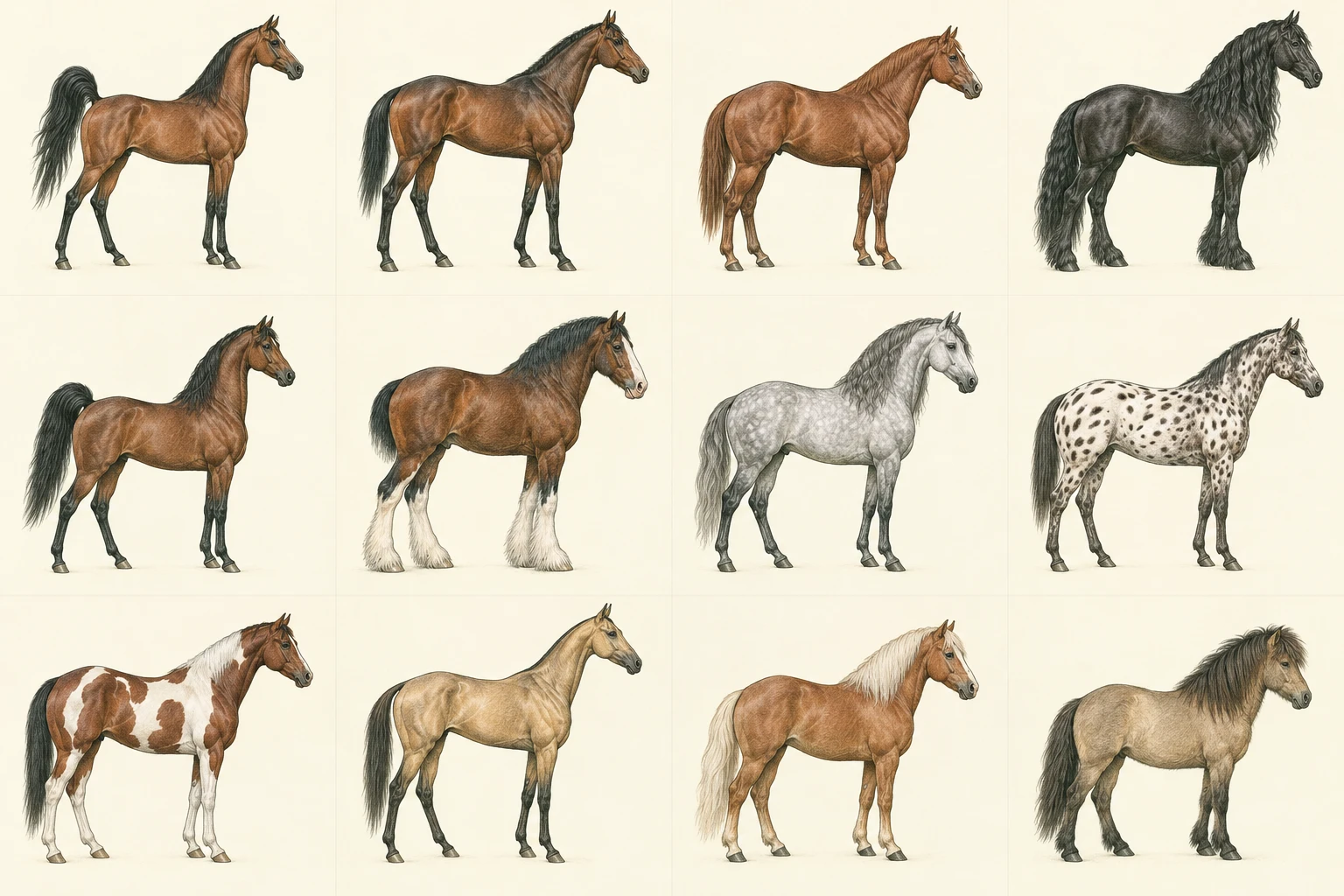
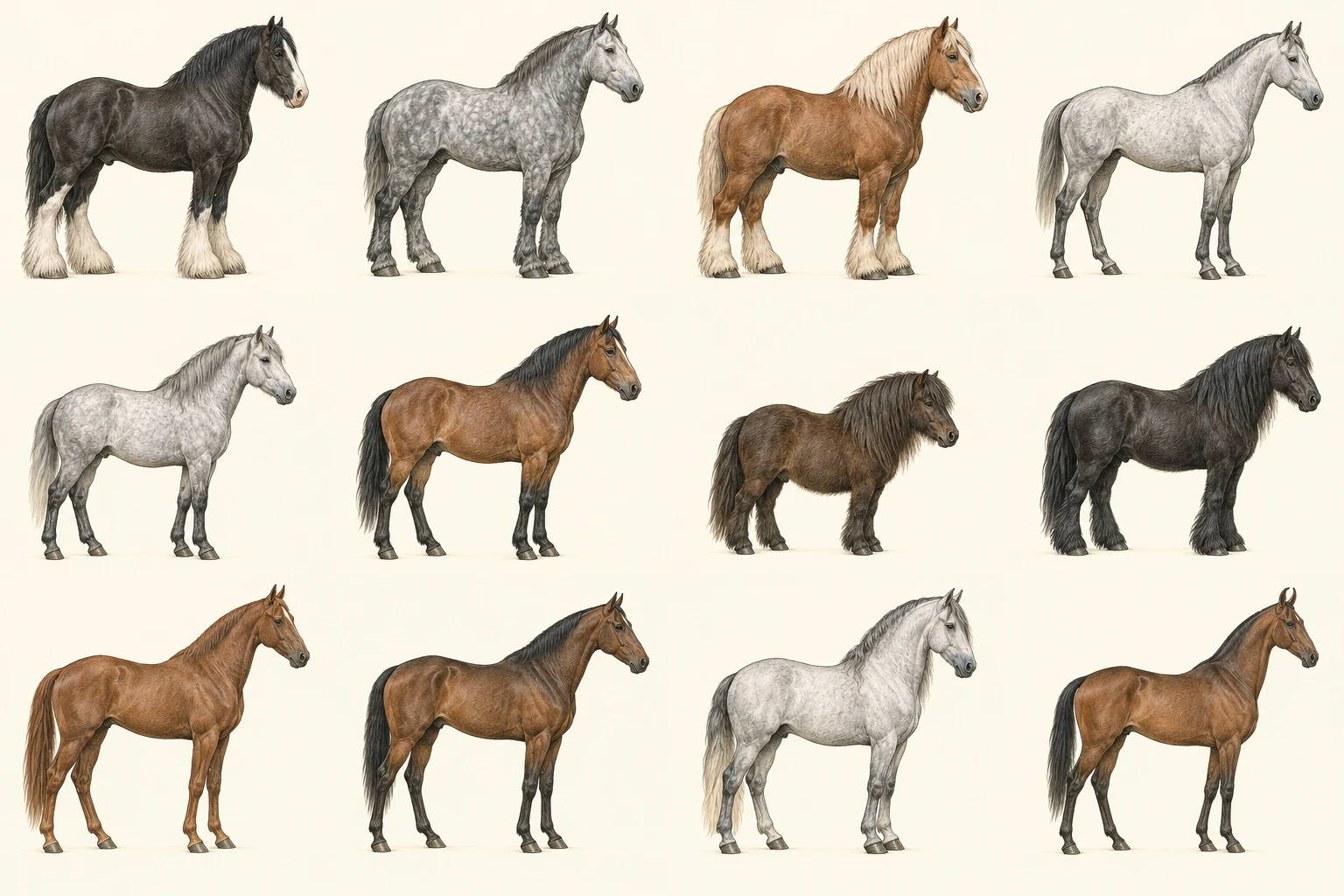
The corporation gives a usual height range of 16 to 18 hands. It describes chestnut, sorrel and blond colouring as prominent in the American population, together with a strong back, deep middle and heavy muscling. This is a substantial draft horse, not simply a tall riding horse with a pale mane.
In a technical side view, study the depth of the body and the connection of shoulder, back and quarters. At a viewing, use current standing and moving demonstrations. Large muscles and an impressive silhouette cannot, by themselves, establish training, fitness or capacity for a particular load.
Working disciplines and modern activities
The corporation lists farm and ranch power, logging, horse pulls, ploughing, carriage services, halter, hitch and riding classes. These jobs demand different education and handling. A pulling competition horse and a recreational carriage horse may require different driver experience and routines.
Ask for details of the actual work: vehicle or implement, hitch arrangement, frequency and the conditions in which the horse has performed it. For a ridden goal, request a ridden demonstration rather than extrapolating from driving experience. Familiarity with crowds at a show does not automatically mean experience on unfamiliar trails.
Practical facilities and daily care
Plan around the horse's dimensions. Check access through gates, stable doors and transport, including the space needed for safe handling and turning. Ask the current owner which trailer, harness and standing arrangements have been effective for the individual rather than choosing equipment by a broad draft label.
Watch leading, foot handling and standing quietly during routine tasks. A large horse that responds clearly can be easier to manage than a smaller horse with inconsistent training, but size still affects the consequences of a misunderstanding. Include experienced professional support in the ownership plan and discuss how you will maintain that support.
Buying questions and neighbouring breeds
Check registered identity, age, measured height and transfer paperwork. Ask why the horse is for sale and how its recent workload compares with your proposed activity. A calm reputation for the breed is useful background, while the individual's present responses are the evidence you need for a riding or driving match.
Compare the Belgian Draft with the Percheron, Clydesdale and Shire to understand different expressions of heavy-horse substance. Distinguish visual preference from practical suitability. The best purchase for a working team, a heritage farm or recreational riding may involve different levels of experience and different facility requirements.
Common questions
Is a North American Belgian identical to a Brabant?
They have shared European roots, but modern North American Belgian breeding developed a distinct type. Verify the specific registry and population described.
Can Belgian Draft horses be ridden?
Yes. The breed corporation lists riding among modern activities. The individual must have appropriate ridden training and fitted equipment.
How tall are Belgian Draft horses?
The Belgian Draft Horse Corporation describes a usual range of 16 to 18 hands. Individual measurements should guide facilities and equipment choices.
Sources & further reading
We use breed registries, equestrian organisations and specialist reference sources. Registration rules and training standards can change; check the original source for the latest requirements.
- Belgian Draft Horse Corporation: breed facts ↗belgiancorp.com
- Belgian Draft Horse Corporation: modern type and activities ↗belgiancorp.com
- Belgian Draft Horse Corporation: youth observation guidelines ↗belgiancorp.com
Last editorial source check: . General educational information; work with a qualified instructor or veterinary professional for individual advice.