At a glance
Standardbred quick facts
- Origin
- North America, with important United States and Canadian development
- Height
- Most stand 15–16 hands in the USTA-supplied breed profile
- Coat
- Varied colours; bay, brown and black are familiar, but identity depends on registration
- Best known for
- Harness racing at trot or pace and second careers in riding and driving
Why the breed is called Standardbred
Standardbred Canada describes standards agreed in 1879 for entry to the trotting register, including qualifying mile times. It connects the ancestry to Messenger and the influential Hambletonian line, while noting Canada's role in the development of pacing families. The breed name therefore reflects historical performance selection rather than a standardised colour or identical body size.
Modern registration is governed by today's registry, not simply by reenacting the original speed test. When discussing pedigrees, distinguish the breed's foundation story from the actual certificate and current identity of a horse. History helps explain the name without deciding contemporary eligibility.
Trotters and pacers
A trot moves the diagonal pairs together; a pace moves the pairs on the same side together. Harness racing uses both gait categories, and a horse's racing experience should be described accordingly. Calling every Standardbred a pacer obscures a central distinction in the sport.
For a second career, ask what the horse currently offers in its new work instead of making assumptions from its former race category. A rider may need instruction in the horse's balance and established cues. Observe unedited movement and seek an assessment from someone familiar with Standardbred retraining.
Body type and size
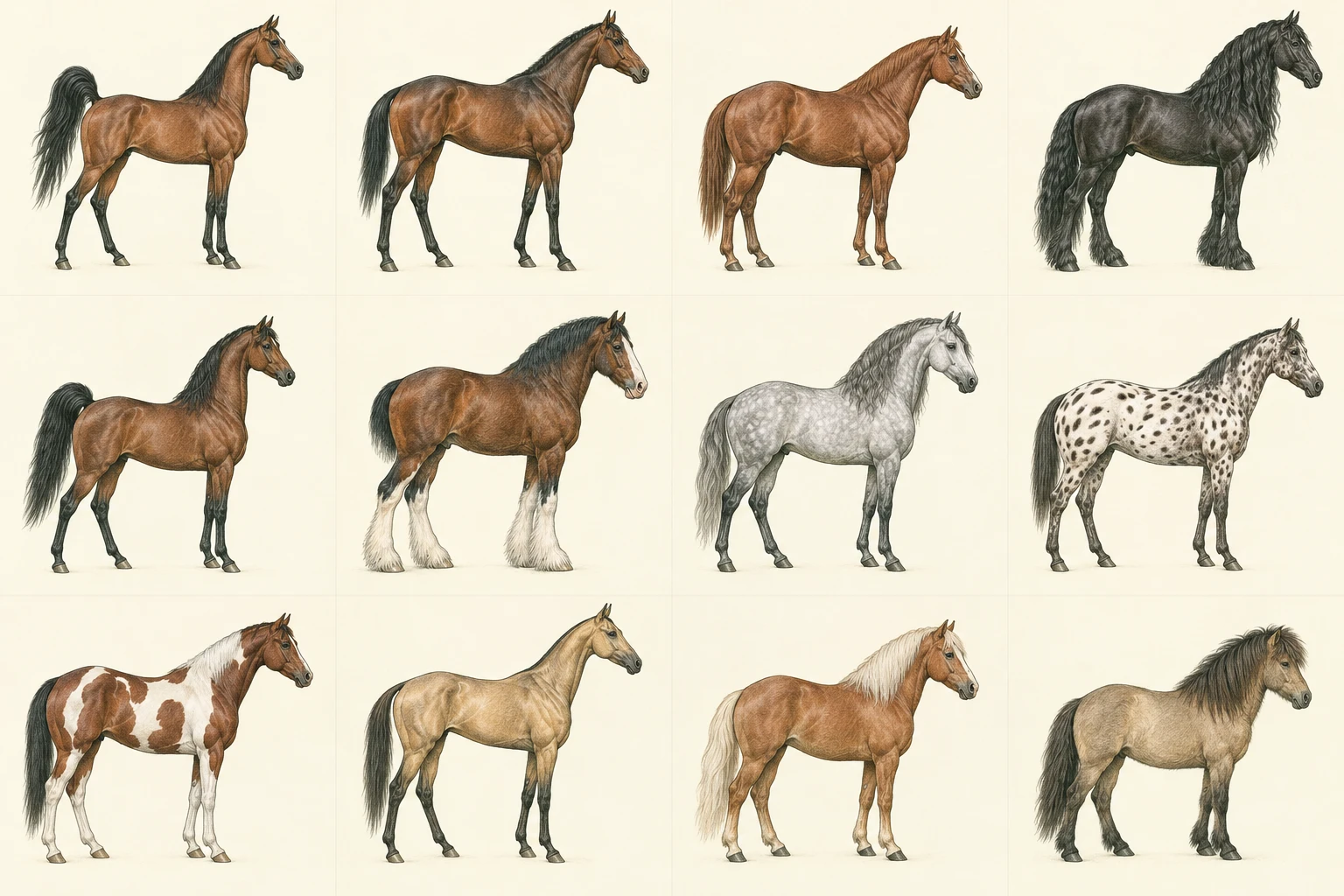
A breed profile supplied by USTA to the United States Dressage Federation describes most Standardbreds as 15 to 16 hands, athletic and somewhat heavier in build than the familiar Thoroughbred outline. Individual proportions and height vary, so those descriptions should remain starting points for comparison.
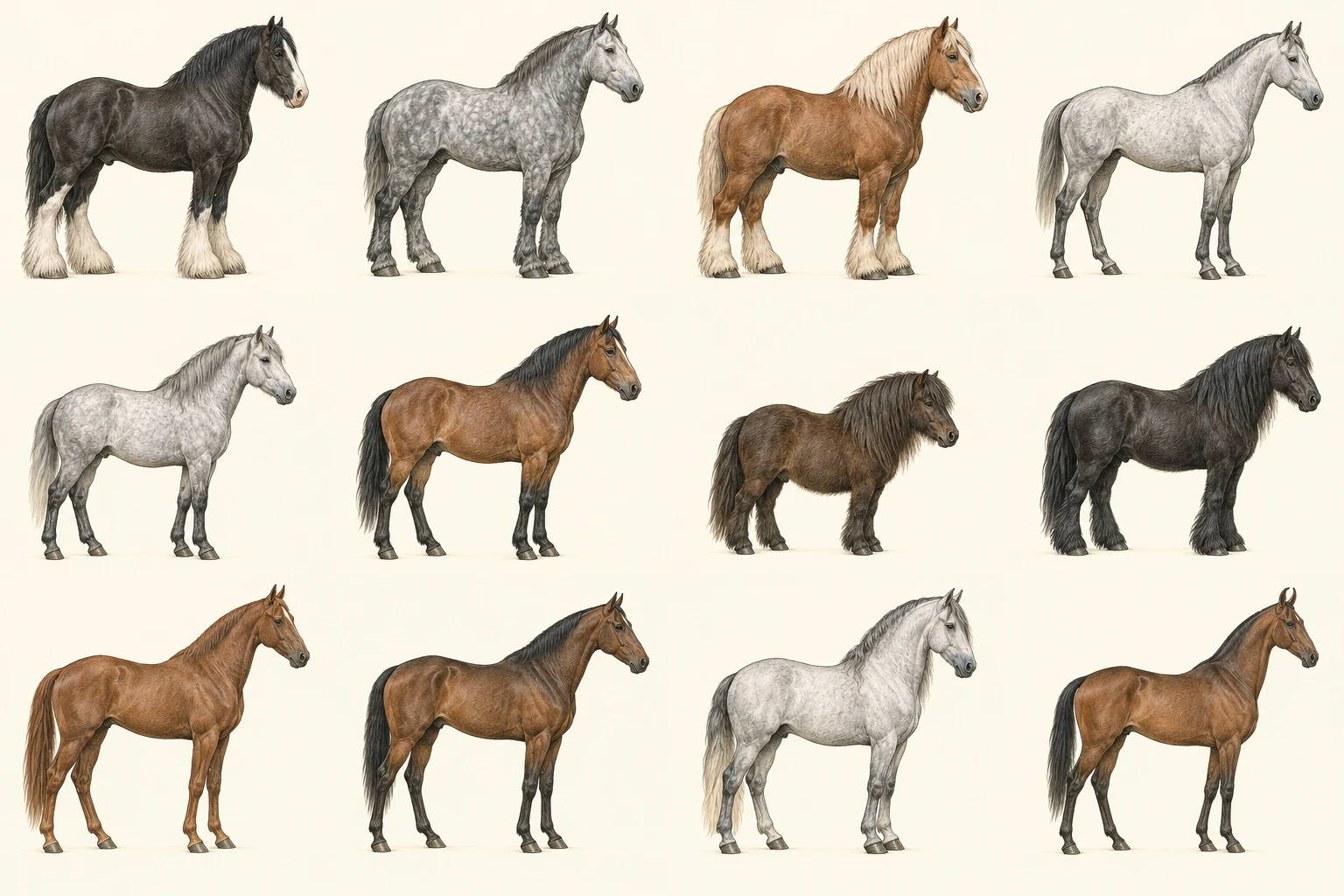
In a technical drawing, compare body depth, neck and limb proportions. At a viewing, check measured height and look at the horse in its present condition. A former racing body can change during a new programme, and equipment should be selected for the current animal rather than for a generic racing type.
A harness education and a new job
USTA's historical material describes harness racing's development from road contests to organised tracks. The modern racing job creates particular experience with vehicles, group movement and structured routines. Being familiar with that system does not automatically establish a horse under saddle or as a quiet recreational carriage horse.
Ask about riding or pleasure-driving retraining already completed, how consistently it has been practised and what support the horse needs. An experienced retrainer can help distinguish familiar racing responses from misunderstanding in the new activity. A patient transition respects the education the horse has without assuming it knows every new request.
Records and practical buying questions
Obtain the registered name and identification, then ask for the history relevant to your proposed use. Competition and retraining records tell different stories. A low purchase price is only one part of a decision; time, professional support and suitable facilities shape the real undertaking.
Watch the seller demonstrate the current ridden or driven work and involve a coach familiar with your goals. Fit equipment individually, and check how the horse handles mounting, standing and unfamiliar settings. Compare the Thoroughbred for another racing-to-riding transition and the Morgan for a breed connected with North American harness-horse history.
Common questions
Are all Standardbreds pacers?
No. Harness racing includes trotters and pacers. Ask which gait the horse raced in and what it currently does in its new work.
What does Standardbred mean?
The name comes from historical performance standards used for registration, described by Standardbred Canada as being agreed in 1879.
Can Standardbreds become riding horses?
Yes. Riding and dressage second careers are documented. The individual requires appropriate retraining and assessment for the rider and intended activity.
Sources & further reading
We use breed registries, equestrian organisations and specialist reference sources. Registration rules and training standards can change; check the original source for the latest requirements.
- Standardbred Canada: history of the Standardbred ↗standardbredcanada.ca
- USTA: history of harness racing ↗fanguide.ustrotting.com
- USTA and USDF: Standardbred breed profile ↗lifeafterracing.ustrotting.com
- USTA: trot and pace footfall patterns ↗fanguide.ustrotting.com
Last editorial source check: . General educational information; work with a qualified instructor or veterinary professional for individual advice.