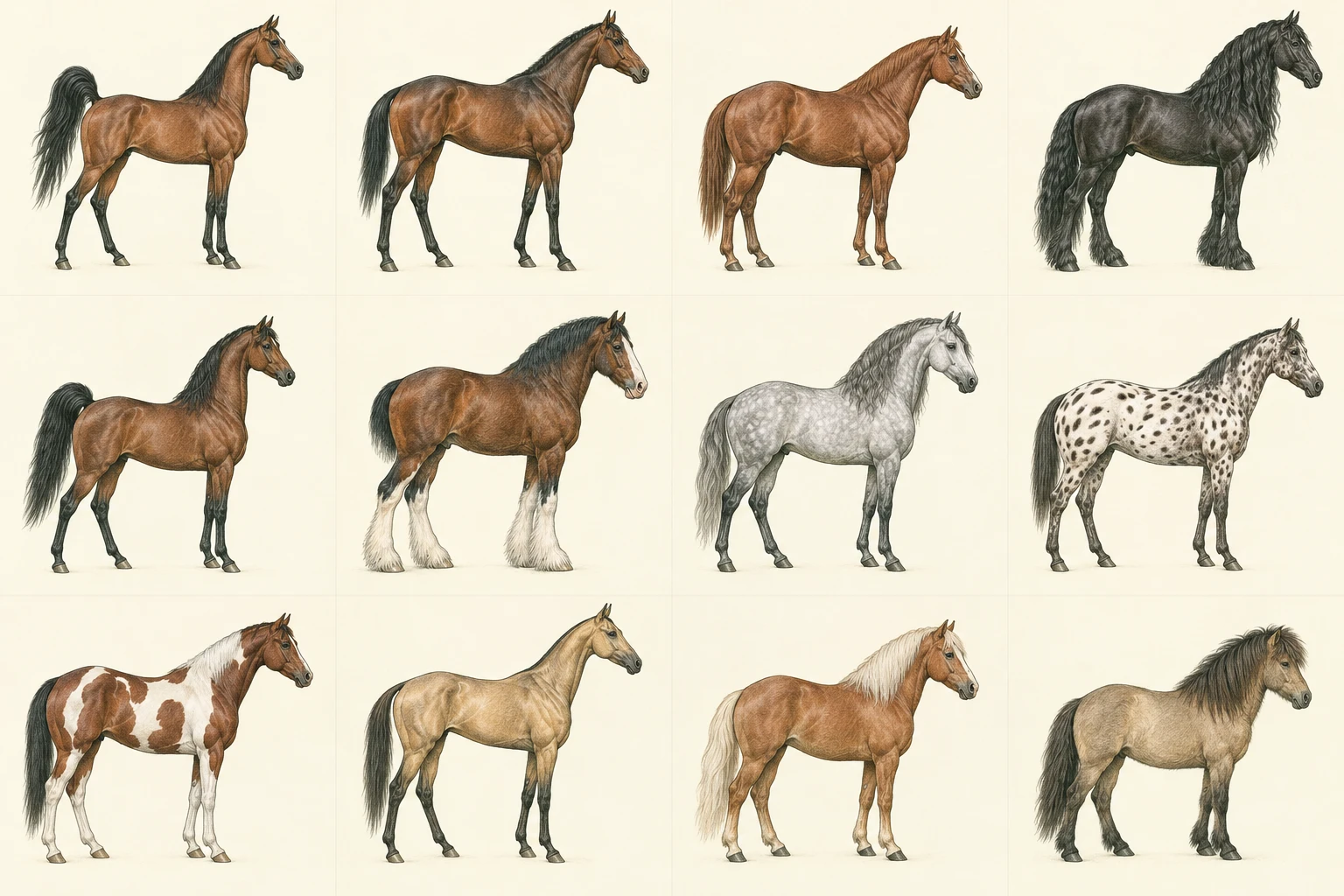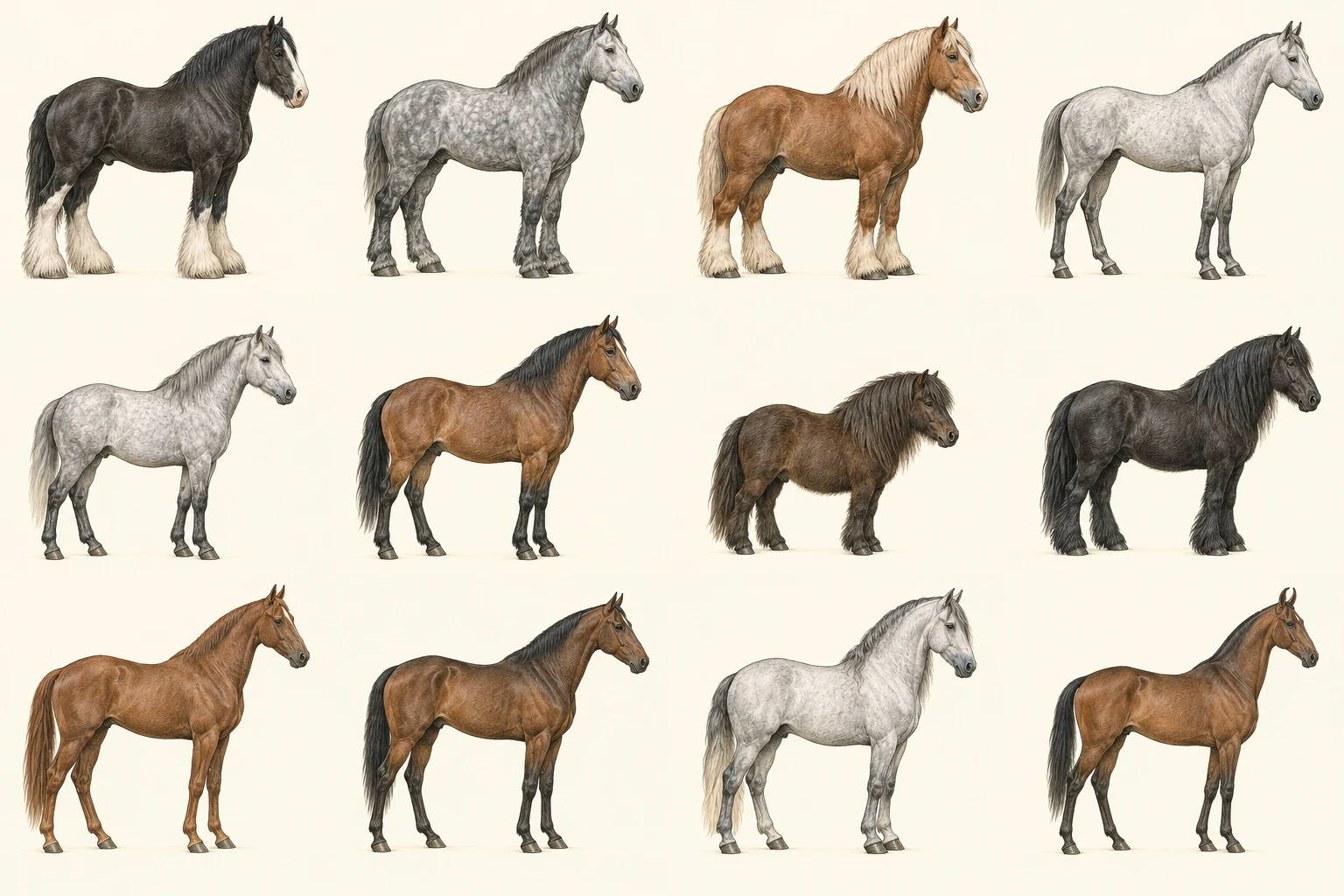
At a glance
Welsh Pony and Cob quick facts
- Origin
- Wales
- Height
- Varies by section and country: UK A ≤12 hands; B and C ≤13.2; D >13.2 with no upper limit
- Coat
- Many colours; consult the relevant society’s current rules for registration and showing
- Best known for
- Four distinct sections spanning small mountain ponies to substantial Welsh Cobs
Wales and a family of distinct sections
The Welsh Pony and Cob Society of America describes the breed's Welsh origins and the four sections divided by type, height and pedigree. The sections provide a useful framework for comparing horses that can range from small children's ponies to substantial riding and driving cobs.
Do not treat Welsh as a single prediction of size or temperament. Ask which section appears on the certificate and whether the animal is purebred, half-Welsh or part-bred. Each term explains something about identity, but none tells you the entire story of an individual's training.
Section A and Section B height differences
The British WPCS handbook gives Section A a maximum of 12 hands and Section B a maximum of 13.2 hands. The American society uses 12.2 hands for A and 14.2 hands for B. A table that mixes those figures without identifying the country can mislead buyers and exhibitors.
When comparing advertisements, record the registry and the horse's actual measurement. An animal can be correctly described under one system while appearing inconsistent with another country's summary. Competition divisions may also have their own measurement procedures, so consult the rule set that governs the activity you plan to enter.
Sections C and D: the cob types
Both cited societies distinguish Section C, the Welsh Pony of Cob Type, at up to 13.2 hands, and Section D, the Welsh Cob, above 13.2 hands with no upper limit. The American C description emphasises substance, pony character, strong body and useful action. These types are more than simply taller versions of Section A.
Study the neck, body depth and limbs in a technical drawing, then compare natural standing and moving views of an actual horse. A substantial cob outline should not be mistaken for an automatic promise of quietness or beginner suitability. Strong movement and a compact body still need appropriate schooling and rider support.
Riding, driving and selecting a section
The American society describes riding, jumping and driving uses across the sections. The appropriate section depends partly on desired size and type, but the right individual also depends on your activity and experience. An established driving pony and an established children's riding pony may have very different education.
Start with observable requirements: ordinary handling, standing for mounting, controllable transitions and experience in your intended setting. Ask a coach to help assess the horse-rider match. For a child, the label Mountain Pony does not replace evidence that the particular pony has safely taught riders at that child's level.
Paperwork and equipment decisions
Check section, pedigree category, measured height and any show eligibility relevant to the purchase. If a seller cites a championship or breed award, request the supporting record and establish when it was earned. A past show result and today's suitability for your routine answer different questions.
Fit tack to the actual body and head rather than to a section label. Compare a Welsh riding pony with the Connemara or a small Welsh Mountain Pony with the Shetland to understand different proportions. The comparison should expand your knowledge while keeping each breed's distinct standards and identity clear.
Common questions
How many Welsh sections are there?
There are four main purebred sections: A, B, C and D. Societies also provide categories for horses with partial Welsh ancestry.
Are Welsh height limits the same everywhere?
No. British and American limits differ for Sections A and B. Specify the registry and consult its current rules.
What is the difference between Section C and D?
C is the Welsh Pony of Cob Type up to 13.2 hands; D is the Welsh Cob above 13.2 hands, with no upper limit in the cited systems.
Sources & further reading
We use breed registries, equestrian organisations and specialist reference sources. Registration rules and training standards can change; check the original source for the latest requirements.
- WPCSA: breed sections ↗wpcsa.org
- British WPCS: handbook and section heights ↗wpcs.uk.com
- WPCSA: Section A and UK/US distinction ↗wpcsa.org
- WPCSA: Section C breed description ↗wpcsa.org
Last editorial source check: . General educational information; work with a qualified instructor or veterinary professional for individual advice.