At a glance
Pony of the Americas quick facts
- Origin
- United States, through the Pony of the Americas Club
- Height
- Use the club’s current breed characteristics. The homepage reviewed here does not print a height chart.
- Coat
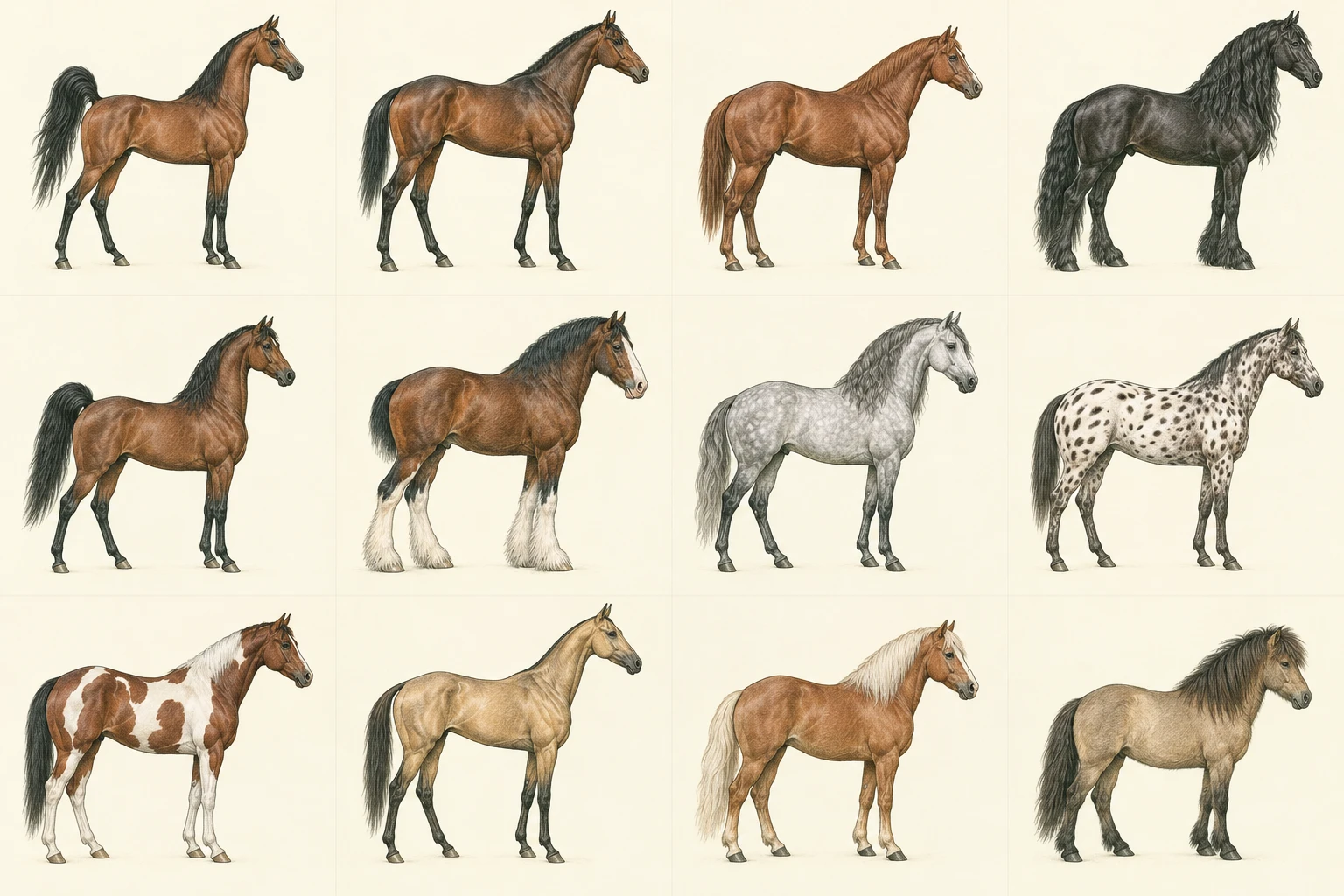
- A spotted coat is part of what people expect. Spots without registration are not a POA.
- Best known for
- A family-focused spotted pony used from trails to the show ring
- Club
- Pony of the Americas Club, which calls the POA the versatile family breed
- Activities it names
- Trails, shows, educational and therapeutic programs, dressage and rodeo
- Who it speaks to
- Children, adults and families, in the club’s own words
Plain language
For kids
- A Pony of the Americas is a spotted pony breed from the United States, often called a POA.
- Their club wants families and children involved, in shows, on trails and in other riding activities.
- Spots do not make a pony safe or registered. The club’s papers and a real teacher do the important work.
The rest of this page is the longer guide for adults and keen readers.
A homepage aimed at families
Some registries speak only to breeders. The POA Club’s homepage speaks to families. It invites people to sanctioned events, tells breeders they are vital, and says the ponies help teach responsibility, accountability, confidence and respect. Those are hopes for a youth program. They come true when adults supervise, not when a website says them.
The site has sections for breed characteristics, history, judging and registration. Our review of the homepage did not include a readable height table or a founding paragraph we could quote, so this article does not invent the Appaloosa-and-Shetland origin story or a hand measurement. Open the club’s current breed page for those rules and cite it directly.
Spots are a clue, not a passport
People recognise a POA by a spotted coat. Appaloosas, some miniatures and unregistered spotted ponies can look similar. The American Miniature Horse Registry even notes that appaloosa spotting is accepted in its own book, which is a different registry. A POA is a POA when the club says so.
The Appaloosa horse has its own Horsepedia page. A pony-sized spotted horse is not automatically a POA, and a POA is not a small Appaloosa by nickname unless the papers agree. Ask which club.
Versatile means many jobs, not every job at once
Trails, shows, dressage, therapeutic programs and rodeo are a wide list. No single pony is doing all of them this weekend. Ask what this pony has actually done with children, and at what level. A pony that has carried lead-line riders is a different purchase from a pony that has been to a games class and is quick.
Therapeutic and educational programs are professional settings. Do not copy a lesson from a program because the club mentioned it. Those programs choose ponies, riders and instructors together.
Pony care still applies
A family breed eats grass, grows feet and needs a farrier. Spotted coats show dirt and sunburn differently, which is a grooming note, not a medical one. Read the grooming and body-condition guides. A thick winter coat can hide a too-fat pony of any pattern.
Helmets matter more, not less, because the club is recruiting children. The helmet gear guide is the equipment page. The breed page is not a substitute for it.
How to join the idea without buying the wrong pony
If you want the club, start with a membership question and a registered pony, or with a show where you can watch. If you want a quiet spotted lesson pony, say that, and do not pay a breed premium for papers you did not check.
Children can learn that clubs can be for them and that the pony’s manners still outrank the pattern. That is the whole of Horsepedia’s choosing guide, in one sentence.
Common questions
What is a Pony of the Americas?
It is a pony breed kept by the Pony of the Americas Club, which calls it a versatile family breed used in trails, shows and other activities. Registration is what makes the name official.
Are all spotted ponies POAs?
No. Other registries and unregistered ponies can have spots. Ask for POA papers if the breed is what you are buying.
Are they only for children?
The club speaks to children, adults and families. A particular pony may fit one of those riders and not another. The pony’s training decides.
Sources & further reading
We use breed registries, equestrian organisations and specialist reference sources. Registration rules and training standards can change; check the original source for the latest requirements.
- Pony of the Americas Club (opens in a new tab)poac.org
- American Miniature Horse Registry, on spotting in a different book (opens in a new tab)shetlandminiature.com
Last editorial source check: . General educational information; work with a qualified instructor or veterinary professional for individual advice.