Write a brief for your current needs
Describe what you can confidently do now, including handling as well as riding. Specify the activities you want to enjoy over the next year, the support you have and the situations that worry you. A first-horse brief might prioritize a horse with established experience in ordinary lessons and quiet outings. It should not depend on a beginner teaching an inexperienced horse the basics at the same time.
The BHS advises developing riders to avoid very young, unbacked or green horses without the necessary experience and support. Use training history and observed suitability rather than treating a breed reputation as a guarantee. Decide which criteria are essential and which are preferences, so that a favorite color or fashionable pedigree does not displace the practical requirements.
Budget beyond the purchase price
Blue Cross emphasizes the time, energy and ongoing costs involved in ownership. Build a realistic local budget for boarding or land management, forage, routine veterinary care, farriery, dental care, lessons, insurance and transport where relevant. Equipment fitting and maintenance also deserve a place. Ask providers for current quotations instead of assuming someone else's monthly figure fits your region or care arrangement.
Arrange where the horse will live before the purchase. Clarify which jobs are included, who covers daily checks, and what happens during illness, travel or work commitments. Keep an emergency reserve proportionate to your circumstances. A written budget exposes gaps while there is still time to change the plan, rather than after the horse has arrived.
Read advertisements as a starting point
Translate attractive phrases into questions. 'Suitable for a novice' should lead to a discussion about which novices have ridden the horse and under what conditions. 'Easy to handle' should cover catching, leading, grooming and routine professional visits. Ask about the horse's recent workload, time out of work, management needs, health history and why it is being sold. Answers should be specific enough to check during a viewing.
Create a comparison record for each candidate, separating confirmed facts from the seller's description and questions still outstanding. Save the original advertisement and request relevant documents. The BHS recommends against purchasing unseen, especially for first-time owners. A polished video can help choose a viewing; it cannot replace evaluating the horse and the proposed partnership.
Plan a supported viewing and trial
Bring an experienced instructor or knowledgeable professional who understands your brief. Ask to see the horse in normal handling situations and to have an appropriate experienced person demonstrate it before you ride. Do not ride if your support person judges the situation unsuitable. The purpose is to gather information, not to prove confidence or satisfy pressure from a seller.
Discuss further viewings or a properly documented trial where available. Compare the horse's behaviour with the conditions you actually expect at home. Take notes soon afterward: what felt comfortable, what required help and what remains unexplained? Leave room for the independent observer's assessment, especially when you have formed an emotional attachment during the first visit.
What a pre-purchase examination can tell you
A veterinary pre-purchase examination gathers information about the horse's health and suitability for the buyer's intended use. Penn Vet describes examinations and diagnostics as tailored to the individual horse, client needs and athletic goals. Explain your proposed activities and concerns to the veterinarian before the examination, so that the scope is relevant to the decision you need to make.
An examination is not a promise that the horse will never become ill or lame. Ask the veterinarian to explain findings, uncertainty and their practical implications, including any recommendations for further investigation. Keep medical interpretation with the veterinarian. Decide with your support team how those findings fit your planned work, management capacity and acceptable level of risk.
Alternatives and the move to a new home
Sharing, leasing or rehoming can be alternatives to an immediate private purchase. Blue Cross describes a monitored loan pathway for its horses, with ongoing support and possible ownership transfer after a successful period. Other organisations and private arrangements have different terms. Read the actual agreement and confirm responsibilities rather than assuming every loan or adoption follows the same model.
Once a decision is made, document the agreement, check identity records through the appropriate process and plan transport and arrival with experienced help. Obtain the horse's established routine and introduce changes thoughtfully with your care team. The first weeks should be about learning the individual and building a workable partnership, not immediately testing every ambition on your original wish list.
Common questions
What breed makes the best first horse?
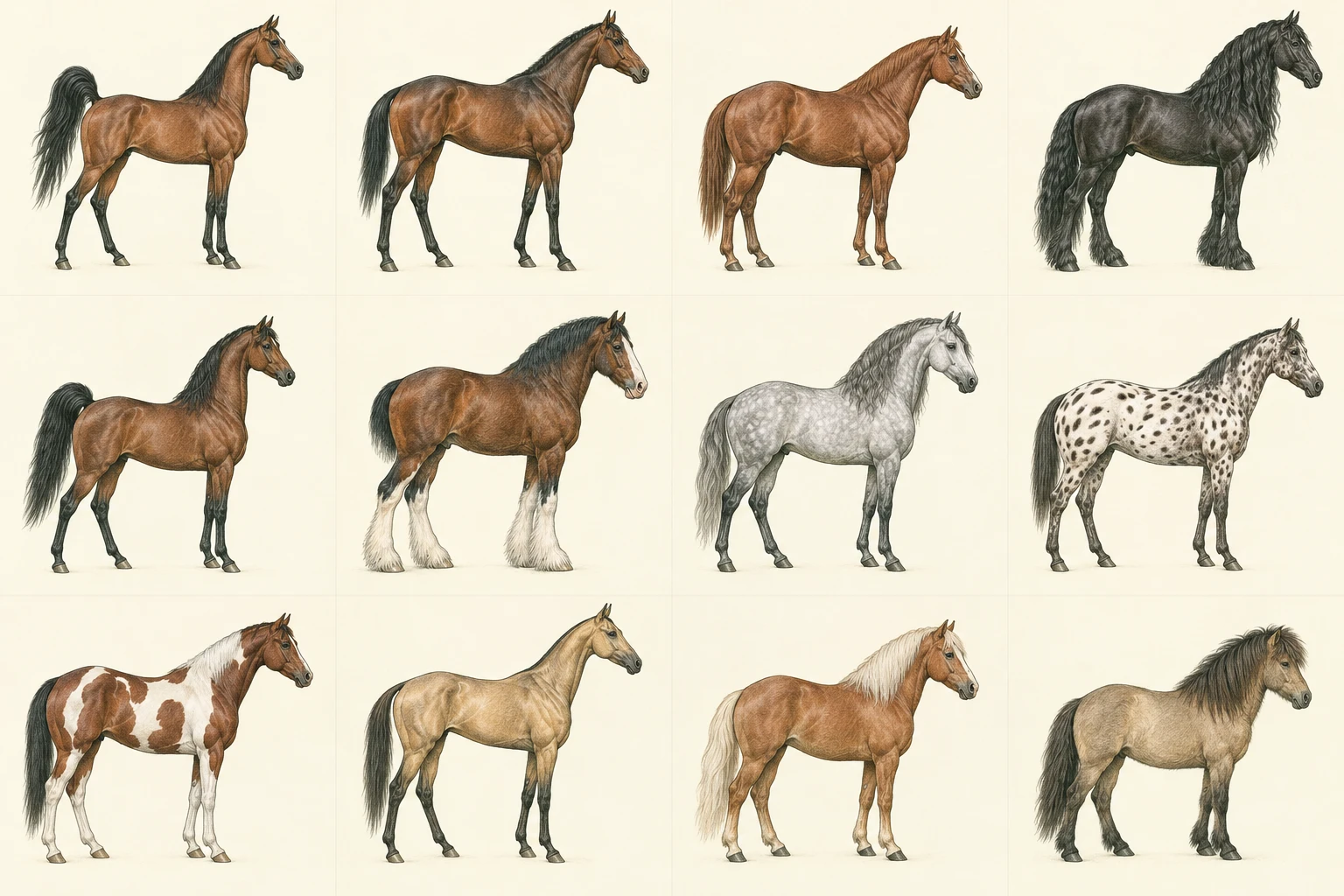
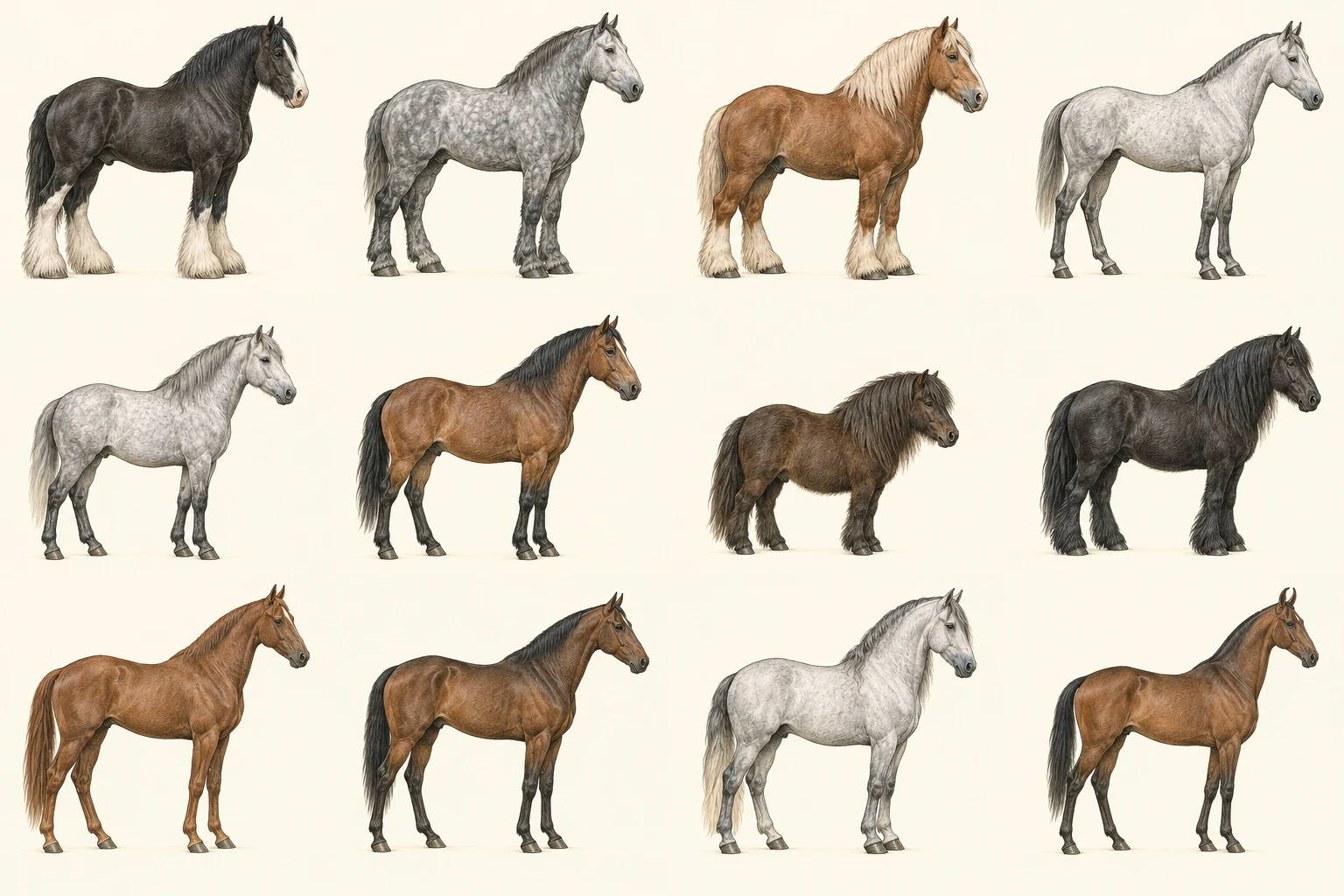
There is no breed that guarantees suitability. Prioritize the individual horse's education, behaviour, health and fit with your current skills and care arrangements. Use experienced support to evaluate the match.
Should I buy a young horse to learn together?
An inexperienced rider and green horse can require more support than either expects. The BHS advises first-time or developing owners to avoid young, unbacked or green horses without the relevant experience and help.
Is a pre-purchase examination a pass or fail guarantee?
It is an assessment to inform your decision about a specific horse and intended use. Ask the veterinarian to explain the findings and limitations. It cannot guarantee future soundness or suitability in every situation.
Sources & further reading
We use breed registries, equestrian organisations and specialist reference sources. Registration rules and training standards can change; check the original source for the latest requirements.
- British Horse Society: Guide to buying a horse ↗bhs.org.uk
- Blue Cross: Essential guide to buying a horse ↗bluecross.org.uk
- Penn Vet: Sports medicine and pre-purchase examination ↗vet.upenn.edu
- Blue Cross: Giving a horse a home ↗bluecross.org.uk
Last editorial source check: . General educational information; work with a qualified instructor or veterinary professional for individual advice.